
Tempe Water Heaters — How Much Does Water Heater Replacement Cost in Tempe, AZ?
Tempe Water Heaters handles water heater replacement, installation and repair across Tempe, AZ, and this guide reflects what actually fails on tanks, tankless heat exchangers, anode rods and gas or electric controls in Arizona desert conditions.
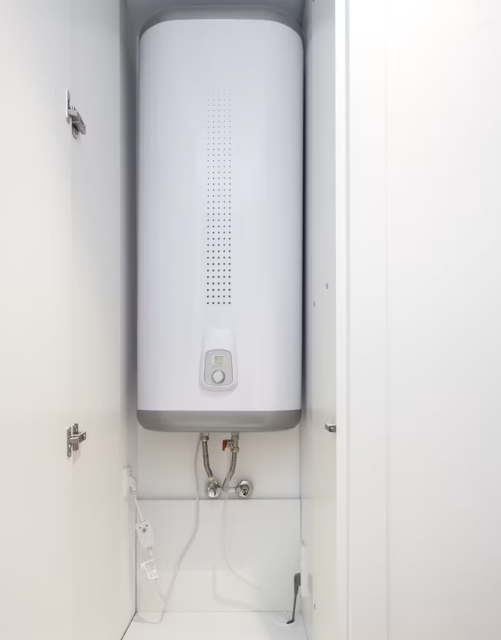
Once a water heater is confirmed dead, the conversation shifts fast from repair options to a budget question. Tempe homeowners searching for pricing online usually run into wildly different numbers, because so much depends on details specific to each property — the fuel type already in place, where the unit sits, and whether the existing setup already meets current code. This guide breaks down what actually moves the price on a Tempe replacement job.
Why a single price tag doesn't exist
Two Tempe homes with an identical failed 50-gallon gas tank can end up with quotes thousands of dollars apart, and the equipment itself is rarely the reason. A garage unit with clear access and a compliant vent might be a same-day, like-for-like swap. A unit tucked in an attic above a second story, or one where the vent no longer meets current code, turns into a longer project with more labor and materials attached. Water heater replacement is really a project scope, not a fixed product price.
Instead of chasing a number that may have nothing to do with your house, it helps to understand which variables actually swing the cost, then request pricing specific to your address.
The big cost factors
1. What kind of equipment you choose
A standard storage tank remains the least expensive equipment to buy and install. Moving up to a larger tank (65 to 75 gallons for bigger households or rental properties with more bathrooms), a heat-pump electric unit, or a tankless system raises the equipment cost, but each of those options can pay part of that back through lower monthly operating costs or by better matching how much hot water your household actually uses.
2. Sticking with gas or electric, or switching
Keeping the same fuel source your current unit uses is nearly always the lower-cost route, whether that's Southwest Gas service or an APS/SRP electric circuit. Converting from one fuel to the other brings in extra scope: new gas piping and a vent path if you're moving to gas, or a dedicated 240V circuit and possible panel capacity check if you're moving to electric.
3. Condition of the existing venting or gas line
Plenty of older homes around Tempe still have venting or gas piping installed under an earlier code cycle. When a technician finds an undersized flue, corrosion in the vent pipe, or a shared vent configuration that's no longer allowed, bringing that up to current standards becomes part of the job — not an optional add-on.
4. Code items that come with a Tempe permit
A compliant install in Tempe typically needs a properly routed temperature-and-pressure relief discharge line, a thermal expansion tank if the home has a closed plumbing system (common with a pressure-reducing valve or backflow preventer), and a drain pan with a routed drain line if the unit sits above living space or finished flooring. Gas units also need correct combustion air and venting. If your current setup predates these requirements, bringing it current is part of a proper replacement, not a padded line item.
5. City of Tempe permitting
Depending on the scope of the work, a water heater replacement in Tempe may need a permit and a follow-up inspection through the City of Tempe's Community Development department. Whether one is required, and what it costs, depends on the specifics of the job, so it's worth confirming before the work starts rather than after. A permitted, inspected installation also matters if you sell the home later — buyers and their inspectors do ask.
6. Where the unit is located
A unit sitting in the open in a garage — the most common setup in Tempe single-family homes — is fast to swap. One crammed into an attic, a narrow interior closet, or buried behind stored boxes takes longer to pull and reinstall safely. Stairs, tight hallways and a long carry from the driveway all add labor hours, which shows up in the final price.
7. Hauling away the old unit
A tank that's been building sediment for a decade can be considerably heavier than its rated capacity suggests, and it has to be drained, disconnected and hauled out responsibly. Most quotes bundle this in already, but it's worth asking directly so it isn't a surprise on the invoice.
How tank and tankless pricing differ
Choosing a tank keeps the upfront number lower and the job faster, frequently wrapped up in a single visit. Converting to tankless costs more going in, since it usually calls for new venting, a possibly larger gas line, isolation valves so the unit can be descaled later, and sometimes an electrical upgrade. What you gain in return is a system that doesn't run out of hot water and typically lasts well beyond a standard tank's service life. Our full tank vs. tankless comparison covers the trade-offs in more depth.
Getting a real number for your address
The quickest path to an accurate quote is a short description and a photo of the unit and its rating plate. Let us know the fuel type, roughly how old and how large the current unit is, where it sits in the house, and what symptoms brought you to this page. That information lets us flag likely venting or code work before a technician ever drives out to your home.
From there you'll get a free quote broken down by scope — equipment, any code upgrades, permit costs if applicable, and disposal — so nothing shows up unexpectedly on install day. Request your free replacement quote, or read more about how our installation process works.
More From the Blog
- What Size Water Heater Do I Need for My Tempe Home?
- How Long Does a Water Heater Last in Arizona?
- Gas vs. Electric Water Heaters: Which Is Best for Tempe Homes?
- Why Is My Water Heater Leaking? Repair or Replacement?
- 7 Signs You Need to Replace Your Water Heater in Tempe
- Tank vs. Tankless Water Heaters: Which Is Best for Tempe Homes?
Request a Free Water Heater Quote
Outline your Tempe water heater situation and we will return a no-obligation quote.
Request Your Free Tempe Water Heater Quote
Share a few details about your Tempe water heater and we will send back a quote with no obligation.