
Tempe Water Heaters — How Long Does a Water Heater Last in Arizona?
Tempe Water Heaters handles water heater replacement, installation and repair across Tempe, AZ, and this guide reflects what actually fails on tanks, tankless heat exchangers, anode rods and gas or electric controls in Arizona desert conditions.
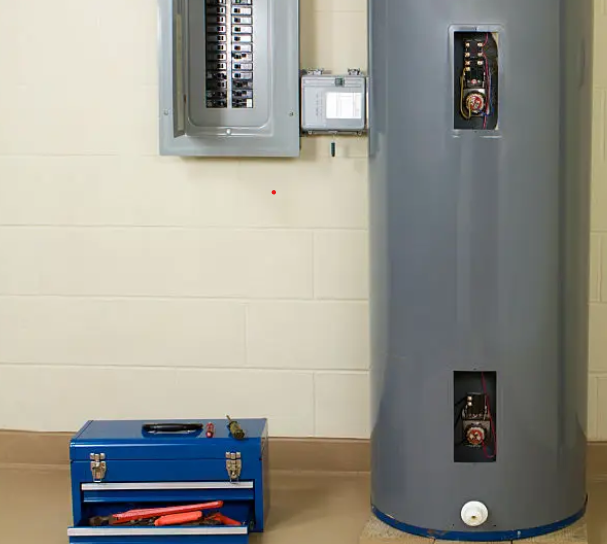
Ask a homeowner in Ohio or Oregon how long a water heater lasts and the textbook answer of a decade or so holds up reasonably well. Ask the same question in Tempe and the number needs an asterisk. Between our mineral-heavy water and a garage that regularly tops 130°F in July, the equipment here works under conditions the manufacturer's warranty was never really written for.
What we actually see in Tempe homes
Rather than quoting a single average, it helps to break lifespan out by equipment type, because the failure pattern is different for each:
- Standard gas or electric tank: most make it 8 to 12 years in the East Valley before a major component or the tank itself gives out; year 9 or 10 is when service calls tend to cluster.
- Heat-pump electric tank: the tank shell ages on a similar timeline, but the compressor, fan and electronics add extra parts that can need attention before the tank itself is the problem.
- Tankless: owners who descale annually regularly see 15 to 20 years; owners who never touch the isolation valves often see error codes and reduced flow well before year 10.
One place to look for a clue about how long yours should last: the warranty length printed on the original paperwork. A manufacturer that backs a unit for twelve years typically used a heavier anode and better insulation than one backed for six — a difference that tends to show up right around the eight-year mark in our climate.
Three local stressors, in order of impact
1. Mineral content in the supply
Water delivered through SRP canals and Colorado River allocations to Tempe taps runs mineral-rich, generally in the 12–18 grains-per-gallon range. As a tank heats water, calcium and magnesium drop out of solution and settle on whatever surface is hottest. On a gas tank that means a crust on the bottom that sits between the flame and the water it's supposed to heat, so the burner has to run longer and the metal above it runs hotter than it was designed to. On an electric tank the same minerals bake directly onto the heating elements until they overheat and burn out. Tankless units aren't spared either — scale narrows the internal heat exchanger channels until the unit throttles flow or shuts down with a fault code.
2. Warm inlet water and hot equipment closets
A second, less obvious factor: Tempe's groundwater already arrives warm, and summer garage temperatures regularly exceed 110–130°F where most units are installed. That heat doesn't do much to the steel tank directly, but it shortens the life of gas valves, ignition boards, thermostats and plastic housings — the parts that fail and generate a service call long before the tank itself would.
3. Pressure spikes from a closed plumbing system
Many East Valley subdivisions run above-average static pressure, and a home with a pressure-reducing valve or backflow preventer effectively becomes a closed loop — heated water expands with nowhere to go unless a thermal expansion tank is doing its job. A missing or waterlogged expansion tank means every heating cycle pushes pressure higher inside the tank, stressing the shell and the relief valve. This is one of the more common, and most fixable, reasons a tank fails or weeps early.
Reading the rating plate to find the real age
Homeowners frequently guess wrong about how old their water heater is, especially after buying a resale home. The truth is stamped in the serial number, not on a sticker most people notice. Locate the rating plate on the side of the tank, then decode the serial: most manufacturers lead with a two-digit year followed by a two-digit week or month, so a serial beginning "1841" typically points to the 41st week of 2018. Formats differ by brand, so a quick search for your manufacturer's convention — or a photo texted to us — settles it quickly. Once a unit clears the ten-year mark, the conversation shifts from "if" to "when" for replacement.
Signs a Tempe tank is nearing the end
- Standing water at the base of the tank with dry fittings above it, which points to a corroded shell rather than a fixable leak.
- A rumbling or popping sound during the heating cycle, caused by sediment hardening on the tank floor.
- Hot water running rusty or discolored while the cold tap stays clear.
- A noticeably shorter supply of hot water than the household used to get from the same tank.
- A gas or electric bill drifting upward without any change in how the household uses hot water.
- More than one repair call in a short stretch of time.
One symptom on a unit that's only a few years old is usually just a repair. The same symptom paired with a second one, on a tank already past ten years, is the pattern that precedes a Saturday-morning flood — better to schedule the swap on your own timeline.
Maintenance steps that actually move the needle here
National maintenance advice ("flush every few years") assumes softer water than ours. In Tempe conditions, a few habits make a measurable difference:
Annual tank flush, not occasional
Draining and flushing the tank once a year keeps sediment from bonding into a hardened layer that a routine flush can no longer break loose.
Inspect the anode rod on a schedule
The anode rod is designed to corrode in place of the tank's steel. Once it's fully consumed, the tank itself starts to degrade. A first check around the three-year mark, with replacement once the rod is mostly gone, is one of the cheapest ways to add years to a tank. Homes with a water softener should check even sooner, since softened water tends to consume anodes faster.
Keep tankless units on a descaling schedule
Because our water carries so much dissolved mineral content, tankless heat exchangers need annual descaling through their isolation valves — this single habit is usually the difference between a unit that reaches 20 years and one that struggles past nine.
Confirm expansion control is actually working
A pre-charged, non-waterlogged expansion tank paired with household pressure in a normal range keeps every heating cycle from stressing the tank shell, the relief valve and the rest of the plumbing.
Don't run the thermostat too hot
120°F balances comfort, scald safety and mineral deposition — higher settings accelerate scale formation for no real benefit.
Bundled together, these checks make up a single annual maintenance visit — typically far less expensive than one after-hours emergency call for a tank that failed without warning.
Plan the replacement before the tank forces the issue
Tanks rarely fail on a convenient afternoon. They tend to give out during a holiday visit, on a slab surrounded by stored boxes, or right as a monsoon storm knocks out power across the neighborhood. Homeowners who replace proactively around year 11 or 12 get to compare tank, tankless and heat-pump options on their own timeline, pull the correct City of Tempe permit without rushing, and skip the after-hours service premium entirely. If you're not sure where your unit currently stands, send us a photo of the rating plate along with a description of any symptoms through our free quote form, and we'll tell you plainly whether it's a repair, a maintenance item or time to plan for replacement.
More From the Blog
- How Much Does Water Heater Replacement Cost in Tempe, AZ?
- 7 Signs You Need to Replace Your Water Heater in Tempe
- Tank vs. Tankless Water Heaters: Which Is Best for Tempe Homes?
- What Size Water Heater Do I Need for My Tempe Home?
- Gas vs. Electric Water Heaters: Which Is Best for Tempe Homes?
- Why Is My Water Heater Leaking? Repair or Replacement?
Request a Free Water Heater Quote
Outline your Tempe water heater situation and we will return a no-obligation quote.
Request Your Free Tempe Water Heater Quote
Share a few details about your Tempe water heater and we will send back a quote with no obligation.