
Tempe Water Heaters — 7 Signs You Need to Replace Your Water Heater in Tempe
Tempe Water Heaters handles water heater replacement, installation and repair across Tempe, AZ, and this guide reflects what actually fails on tanks, tankless heat exchangers, anode rods and gas or electric controls in Arizona desert conditions.
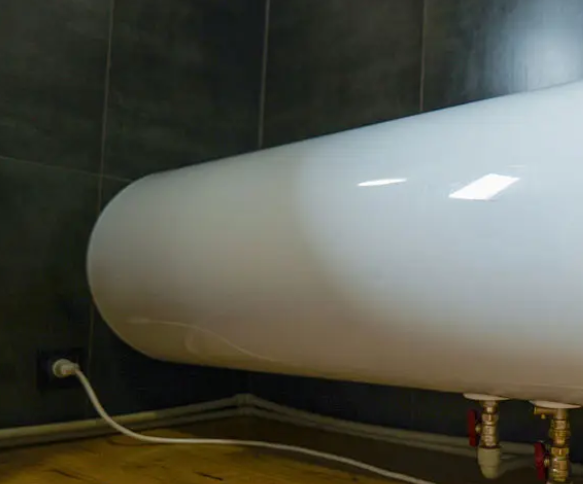
Very few tanks die instantly. Most spend a year or two dropping hints — a strange sound during the reheat cycle, a slightly rusty tinge in the laundry water, a gas bill that creeps up for no obvious reason. Because Tempe runs hard water and hot garages through these units, the warning window is often shorter than in milder climates. Below are seven things worth checking before your unit picks its own moment to fail.
1. The unit has crossed the decade mark
Most standard tanks in the Phoenix metro give out somewhere between year eight and year twelve, and units baking in an uninsulated garage or a sun-exposed exterior closet tend to land toward the earlier end of that range. Find the age by decoding the serial number on the rating plate — most manufacturers front-load it with a year and week code, so a plate reading something like "0619" typically points to the 19th week of 2016 (formats vary by brand). Once a tank is past ten years, the smart move is scheduling a replacement on a weekend that works for you, rather than waiting for a Tuesday morning flood.
2. Standing water at the base
Check the fittings, the T&P relief valve and the union connections first — those can sometimes be tightened or swapped without touching the tank. But if the moisture is coming from beneath the tank itself with no source above it, the steel shell has corroded through, and no sealant or patch fixes that safely. A Salt River Project- or APS-fed electric unit or a Southwest Gas-fired tank behaves the same way here: once the tank body itself weeps, replacement is the only path. Shut the cold-water inlet valve above the unit right away and get leak or emergency service scheduled before the puddle spreads across the garage floor or into an attic ceiling below.
3. Hot water turns brown while cold stays clean
Run both taps side by side. If only the hot side comes out tinted, something inside the tank or its hardware is corroding. On a heater still within its first several years, this is frequently just a spent anode rod — an inexpensive swap that can add meaningful life to the unit. On a tank already past the ten-year point, discoloration more often means the glass lining protecting the steel has broken down, which is a sign the tank is in its final stretch rather than a problem worth chasing with parts.
4. Popping, cracking or rumbling sounds during heating
Tempe draws a mix of treated Salt River Project surface water and Central Arizona Project (Colorado River) supply, and it commonly tests in the 12 to 18 grains-per-gallon hardness range — hard enough that mineral deposits build noticeably faster here than in most U.S. cities. Those dissolved minerals fall out as the water heats and pack onto the tank floor, and the trapped water boiling underneath that layer is what causes the popping and rumbling. On a heater only a few years old, a professional flush often quiets it back down. On a tank that has never been flushed in eight or ten years, the sediment layer has usually been baking and hardening long enough that the metal underneath has already lost efficiency it won't get back.
5. Temperature swings or the tank can't keep up
If showers drift from hot to lukewarm partway through, or your household has recently started running out of hot water during the morning rush, a few different things could be at fault: a failing thermostat, a burned-out heating element, a thick sediment layer, or simply a tank that was undersized for the household from day one — a common issue in Tempe rentals and multifamily units near ASU where occupancy turns over and usage patterns change. A single failed part on a unit still in its first half-life is usually worth repairing. But if the same tank is already ten years old, chasing recurring temperature complaints with repair after repair rarely pays off.
6. Your Southwest Gas or APS/SRP bill keeps climbing
A water heater fighting through sediment or worn components has to run longer to hit the same setpoint, and that shows up on the utility bill before it shows up as a visible symptom. If your gas therms or electric kilowatt-hours have trended upward with no change in household size or habits, the water heater is one of the first places to look, since it's typically the second-largest energy load in an Arizona home after cooling. Because efficiency standards have tightened noticeably since the early 2010s, swapping out an old unit for a current model often recovers some of its cost through lower monthly utility charges.
7. You keep calling for repairs
A single service call on a water heater that's five or six years old is unremarkable — it happens. But when you're booking a second and third repair visit within a two-year stretch, that's the pattern of a unit that's wearing out system-wide rather than suffering an isolated failure. At that point, the cumulative repair spend is usually better redirected into a new unit backed by a full manufacturer warranty instead of patching equipment that will likely need attention again soon.
Deciding between a repair and a replacement
- Lean toward repair when the tank is younger than about eight years, the shell itself isn't leaking, and only one component has failed.
- Lean toward replacement when the tank body is leaking, the unit has already passed the ten-year mark and needs a significant part, or you've had multiple repair visits recently.
Spotting two or more of these signs on the same unit is a reasonable trigger to start planning a replacement on your own timeline, rather than dealing with it during a monsoon-season power blip or a flooded closet at 6 a.m. When you request a quote, mention the unit's age, its fuel type and whatever symptoms you've noticed, and you'll get a straightforward recommendation back.
More From the Blog
- What Size Water Heater Do I Need for My Tempe Home?
- How Long Does a Water Heater Last in Arizona?
- Gas vs. Electric Water Heaters: Which Is Best for Tempe Homes?
- Why Is My Water Heater Leaking? Repair or Replacement?
- How Much Does Water Heater Replacement Cost in Tempe, AZ?
- Tank vs. Tankless Water Heaters: Which Is Best for Tempe Homes?
Request a Free Water Heater Quote
Outline your Tempe water heater situation and we will return a no-obligation quote.
Request Your Free Tempe Water Heater Quote
Share a few details about your Tempe water heater and we will send back a quote with no obligation.