
Tempe Water Heaters — Gas vs. Electric Water Heaters: Which Is Best for Tempe Homes?
Tempe Water Heaters handles water heater replacement, installation and repair across Tempe, AZ, and this guide reflects what actually fails on tanks, tankless heat exchangers, anode rods and gas or electric controls in Arizona desert conditions.
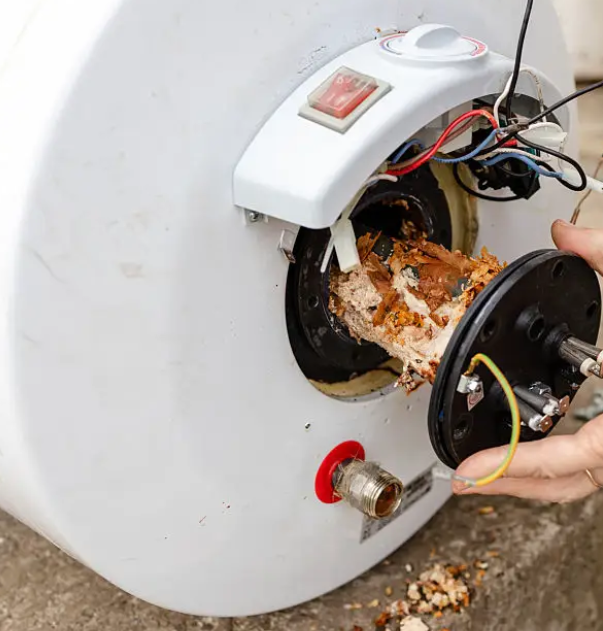
Most homeowners in Tempe never really choose between gas and electric — whatever fuel line already reaches the closet or garage tends to decide it for them, and replacing like-for-like is nearly always the cheapest, quickest option. Where the decision gets genuinely interesting is heat-pump electric equipment, which changes the operating-cost math enough to justify a second look before you simply reorder the same unit. Below is how the three technologies actually perform once you factor in SRP/APS rates, Southwest Gas service, and the East Valley's climate.
The mechanics, briefly
A conventional gas tank fires a burner beneath the tank and exhausts combustion byproducts through a flue to the outside. A standard electric tank instead submerges two resistance elements directly in the water — no flame, no venting, just current running through metal. A heat-pump electric unit is a different animal altogether: it functions like a refrigerator in reverse, pulling ambient heat out of the surrounding air and transferring it into the tank, using only about a third of the power a resistance element would need for the same gallon of hot water, with resistance elements kept in reserve for high-demand moments.
What it costs to install, by scenario
Keeping the same fuel and the same location is by far the simplest scope: same connections, plus whatever current code now requires — a compliant relief-valve discharge line, a drain pan if a leak could reach finished space, and thermal-expansion control if the plumbing is a closed system.
Among equipment types, a plain electric resistance tank is typically the cheapest to buy. Gas tanks run a bit higher and require venting. Heat-pump units sit at the top of the equipment-cost range and need enough surrounding air volume, clearance, a condensate drain path, and frequently a dedicated circuit — though utility rebates and lower monthly bills often close that gap over the unit's working life.
Changing fuels entirely is the expensive move. Converting from gas to electric means adding a 240V circuit and confirming the panel has capacity to spare. Converting electric to gas means running new gas piping, adding a vent path, and providing combustion air. Both are legitimate options, but they're remodel-scale projects, not simple swaps, and should be quoted with that scope in mind.
Monthly cost depends on your utility and your plan
Tempe households buy gas from Southwest Gas and electricity from either SRP or APS depending on address, and both electric utilities offer rate plans with time-of-day and seasonal pricing tiers rather than a flat per-kWh rate. Two practical conclusions follow:
- A gas tank typically costs less to run month-to-month than a resistance electric tank.
- A heat-pump electric tank usually beats both, since it draws only a fraction of the power a resistance element uses for the same recovery.
If your household is on an SRP or APS time-of-use plan, scheduling water heating outside the peak summer afternoon window — something most modern electric units support — can meaningfully change the bill. It's worth pulling up your actual rate plan rather than relying on a generic national comparison.
Recovery speed matters more than the gallon number
Gas burners reheat a tank roughly twice as fast as a resistance electric element, which is the reason a 40-gallon gas unit and a 50-gallon electric unit are often treated as rough equivalents for the same household size. Heat-pump units, running in efficiency mode, recover slower than gas — which is why installers typically spec them a size up, putting a 65- or 80-gallon heat-pump tank where a household might otherwise get by with a 50-gallon gas tank. For a household with three showers back-to-back before school and work, recovery speed is the number worth focusing on, not the number stamped on the side of the tank. See our separate guide on sizing a water heater for the full peak-hour breakdown.
Four things that are different because this is Tempe
A hot garage helps a heat pump and hurts a gas valve
A heat-pump water heater performs better the warmer the surrounding air is — and a closed-up Tempe garage in July, easily past 110°F, is essentially free ambient heat for it to harvest. That same heat is a liability for a gas unit, since it accelerates wear on the control valve and ignition components. The one downside on the electric side is noise: the fan and compressor cycling is easy to ignore in a garage but noticeable if the unit sits in an interior hallway closet.
Hard water still finds a way into either system
Regardless of fuel, East Valley water leaves mineral deposits behind. On electric elements, that scale bakes on directly and shortens element life. On a gas tank, the same minerals settle as sediment on the tank floor, forcing the burner to run longer to compensate. Annual flushing and periodic anode inspection matter for both.
Older Tempe homes sometimes have outdated venting
Homes built before current code sometimes have an undersized flue or a gas heater installed in a closet without enough combustion air. A replacement is often the point where this gets discovered, which is why a gas swap should be priced after an in-person look at the existing setup rather than over the phone.
Monsoon season and power reliability
East Valley monsoon storms knock out power to whole neighborhoods most summers. A standing-pilot atmospheric gas heater will typically keep producing hot water through an outage; electric units obviously can't, and even a modern gas unit with electronic ignition needs power to fire. It's a minor factor for most households, but one worth knowing if outages are a real concern at your address.
Putting it together
- Keep gas when the existing venting checks out and you value the lowest install cost paired with fast recovery.
- Keep standard electric when there's no gas line at the property and your household's hot-water demand is moderate rather than peak-heavy.
- Move to heat-pump electric when the unit lives in a garage or open utility space with room to breathe and a place for the condensate to drain, and long-term operating cost matters most to you.
- Look at gas tankless if running out of hot water is a recurring complaint and the property can support the higher gas draw and venting — our tank-vs-tankless comparison covers that decision separately.
- Only convert fuels when there's a concrete reason: no gas service at the address, an electrical panel upgrade already on the calendar, or an operating-cost target that genuinely justifies the extra work.
Get pricing based on what's actually at your property
The right call here hinges on details specific to your home: gas line diameter, vent condition, electrical panel headroom, clearance around the unit, and how your household actually uses hot water during peak hours. Share a photo of the current heater and its rating plate through our free quote form, and we'll lay out the realistic options — heat-pump included, where it makes sense — with real numbers instead of generic averages. More detail on the work itself is available on our installation and repair pages.
More From the Blog
- How Much Does Water Heater Replacement Cost in Tempe, AZ?
- 7 Signs You Need to Replace Your Water Heater in Tempe
- Tank vs. Tankless Water Heaters: Which Is Best for Tempe Homes?
- What Size Water Heater Do I Need for My Tempe Home?
- How Long Does a Water Heater Last in Arizona?
- Why Is My Water Heater Leaking? Repair or Replacement?
Request a Free Water Heater Quote
Outline your Tempe water heater situation and we will return a no-obligation quote.
Request Your Free Tempe Water Heater Quote
Share a few details about your Tempe water heater and we will send back a quote with no obligation.